
The Parent I Thought I’d Be
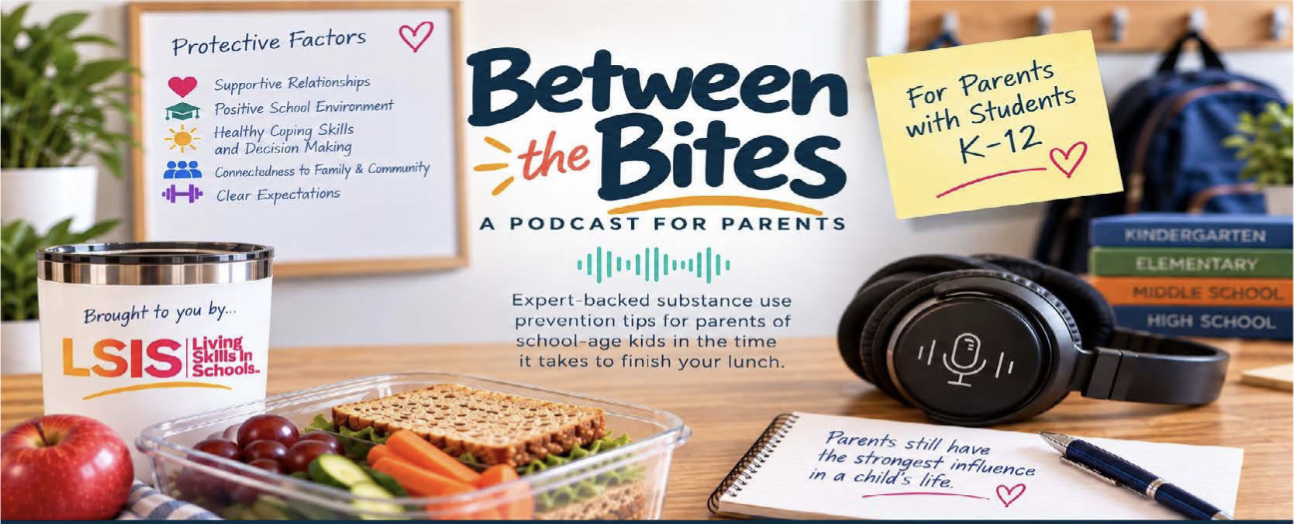
A podcast for parents of K–12 students
From one parent to another and from someone who leads a school-based substance use prevention program.
Before I had a child, I had a plan. I’d have the right conversations at the right moments. I’d be informed, calm, and consistent. Parenting, I figured, was largely a matter of intention.
Then I became a parent, and I learned what every parent eventually learns: it’s messier than that, more beautiful, and harder than I expected. It deepened everything, including the work we do every day at LSIS, bringing substance use prevention directly into schools so that families can have the tools, the support and the conversations that can make a difference.
I lead a substance use prevention program. I work with licensed clinicians. I know the research and still, some evenings I wonder if I’m getting through. If any of it, is landing. If the moments, I’m showing up for are the ones that actually matter.
Here’s what the research keeps telling me, and what I’ve seen with my own eyes in the schools we serve: those moments are exactly what matter.
It starts earlier than most parents expect. Long before your child is ever offered anything at a party or in a group chat, they’re building something inside themselves, a sense of who they are, how to handle hard feelings, whether the adults in their lives can be trusted. That gets built in the small moments. The bedtime routine you keep even when you’re exhausted. The way you stay calm when they fall apart. The floor you get down on when they’re little. Those aren’t just sweet memories. They’re the architecture of resilience.
BETWEEN THE BITES | EPISODE 1
Early Prevention Matters
Then comes the tween years, and most parents I talk to feel a version of the same thing: the door is closing. They’re in their room. They’re pulling away. Whatever influence you have seems to be fading. But here’s what I’ve learned, both as a parent and from sitting across from enough teenagers to know: your values didn’t go anywhere. They went underground. Kids who feel genuinely connected to their families are significantly less likely to use substances, not because their parents gave them a lecture, but because they carry a felt sense of belonging that makes risk feel less necessary.
BETWEEN THE BITES | EPISODE 2
Family Connection as a Protective Factor
At some point, though, the conversation has to become direct. Middle school is when that window opens and closes fast. I tell parents not to wait for the perfect moment, because it won’t come. Say something imperfect. Ask an awkward question. What your child hears isn’t the words anyway. They hear: this family talks about hard things. I can come home. That message is worth more than any program we run.
BETWEEN THE BITES | EPISODE 3
How to Talk to Your Middle Schooler About Substances
And then there are the friends. Every parent knows the moment: you find out who your child has been spending time with, and the instinct is to shut it down immediately. What the research tells us, though, is that connection at home is a stronger protective force than restriction. The kids who are most insulated from peer pressure aren’t the ones with the fewest opportunities. They’re the ones who feel most known by the people who love them.
BETWEEN THE BITES | EPISODE 4
Peer Relationships
Finally, I’ll say this: you don’t have to do any of this alone. One of the reasons I do this work is because I believe prevention is a team effort, families, schools, and communities reinforcing the same messages, trusting each other, filling in the gaps. Dr. Raiko Knight at S.D. Spady Elementary in Delray Beach is a great example of what our schools do when they fully commit to that village. It’s possible. It makes a difference.
BETWEEN THE BITES | EPISODE 5
It Takes a Village
ABOUT THE PODCAST
Between the Bites is an LSIS podcast series of five conversations worth having, each short enough for a lunch break and practical enough to use the same day. Created by Dr. Spencer and produced by Program Director Teresa Bairos and the LSIS clinical team, who work in schools every day and understand what parents are actually up against. Funded by the Delray Beach Law Enforcement Trust Fund Grant.